What Makes Pilates ‘Pilates’? The Method, History + Principles Behind the Mat
If you’ve taken a Pilates class or scrolled Instagram lately, you know the word Pilates can describe a lot of different things.
You might picture a Reformer with springs and straps. You might think of a high-energy group fitness class with ankle weights and a playlist turned up. Or maybe you picture yourself on a mat, wondering why moving one leg a few inches can suddenly feel like the hardest thing you’ve done all week.
Pilates has evolved considerably over the last century. But underneath all those variations is a method - a thoughtful system of movement with roots that go much deeper than simply doing exercises on a mat.
At Ember, our approach to Pilates is grounded in those roots. We believe there is value in understanding where Pilates came from, what Joseph Pilates was trying to accomplish, and why the fundamentals of his method still matter today.
We also believe a method can have roots and room to grow.
So, what exactly is classic mat Pilates? And how is it different from simply doing a workout on a mat?
First, a Little Pilates History
Pilates began with a man named Joseph Hubertus Pilates, (yes, it’s someone’s name, not just a random word) born in Germany in 1883.
Joseph Pilates spent decades studying the body and experimenting with different approaches to physical conditioning. His work was influenced by gymnastics, boxing, martial arts and other forms of movement and physical culture.
Eventually, he developed his own system - but he didn't call it Pilates. He called it Contrology.
The name tells us quite a bit about what he believed movement should be. His method wasn't designed around doing as many repetitions as possible or pushing the body until it was exhausted. It centered on learning to intentionally control the body through movement.
Pilates later brought his method to New York City, where he and his wife, Clara, opened a studio in the 1920s in the same building at the NYC Ballet. The studio attracted dancers and performers, among others, and his method gradually developed a following.
In 1945, he published Return to Life Through Contrology, which laid out his philosophy and a sequence of 34 mat exercises that could be practiced without elaborate equipment.
The goal was bigger than stronger abs.
Pilates described Contrology as the coordination of body, mind and spirit. He believed movement should help people develop strength, mobility, control and awareness that carried into everyday life.
Nearly a century later, that's still a pretty compelling idea.
What Is Classic Mat Pilates?
Classic - or classical - Pilates generally refers to practicing the exercises and method developed by Joseph Pilates while maintaining the structure, intention and concepts behind his original work.
Classic mat Pilates specifically brings that method to the floor.
And here's where an important distinction comes in:
A workout done on a mat isn't automatically Pilates.
The mat is simply the surface underneath you. Pilates is the method you're practicing on it.
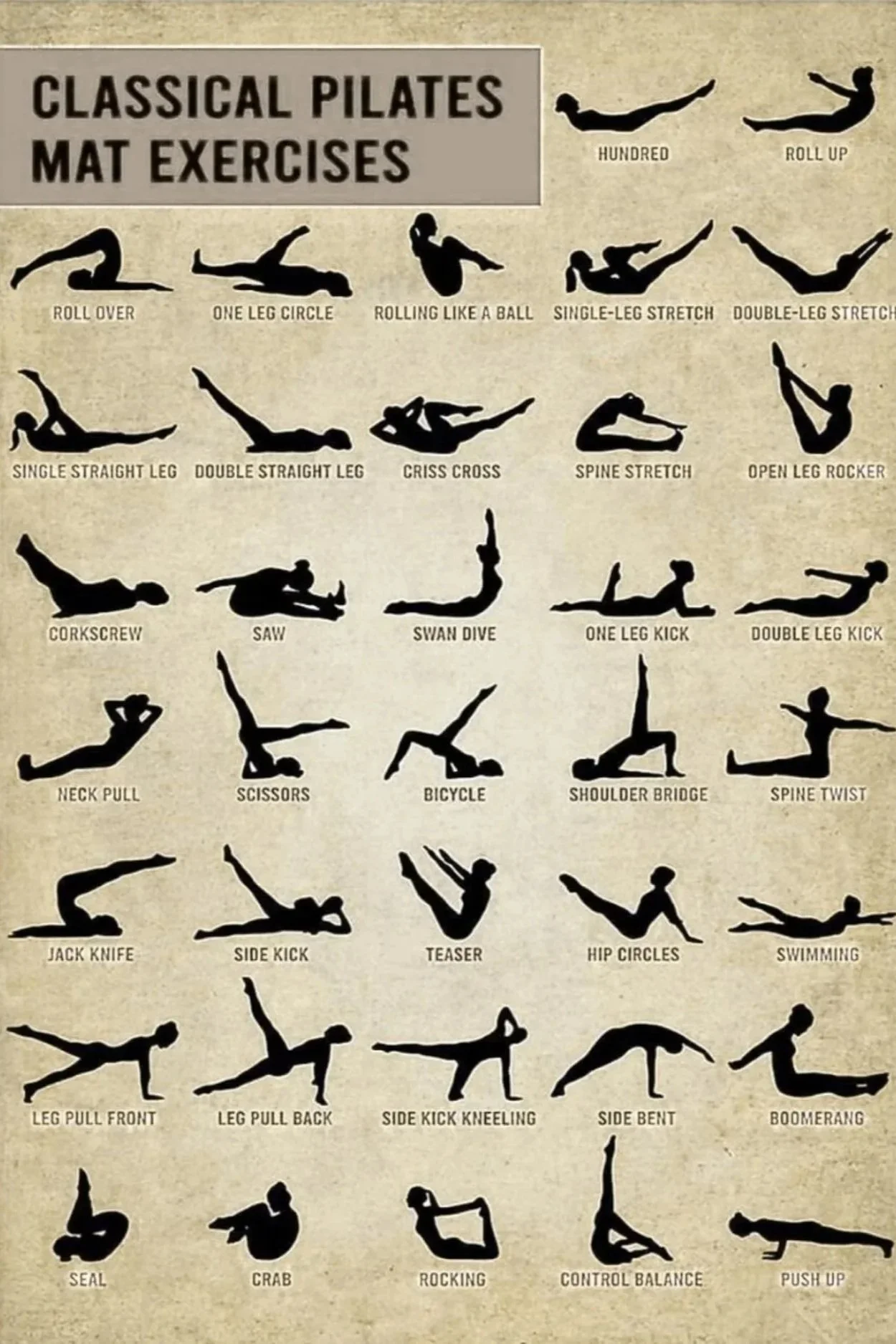
Joseph Pilates' original mat repertoire follows an intentional progression of exercises. Movements build upon one another, challenging strength, mobility, stability, coordination and control.
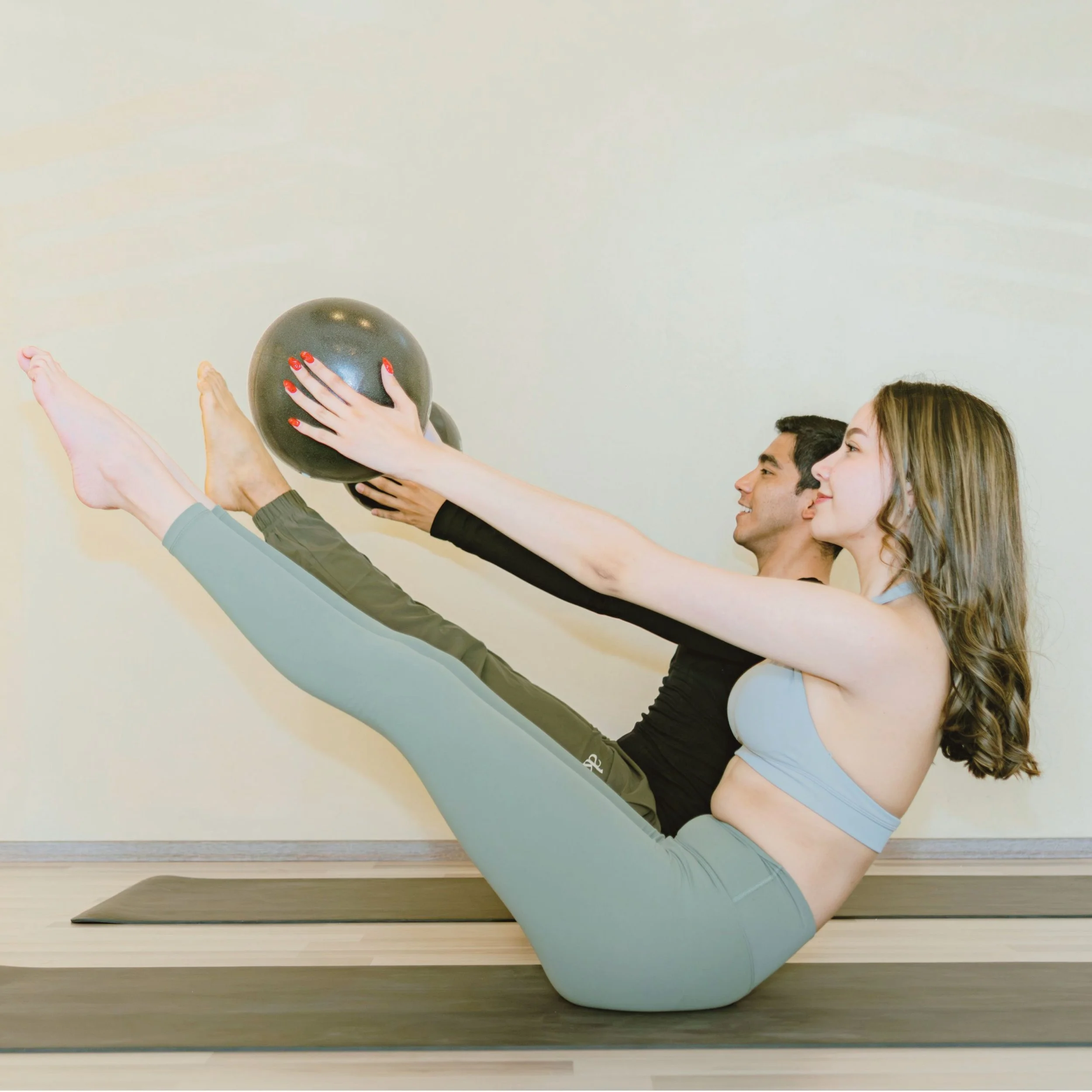
Exercises such as The Hundred, Roll Up, Single Leg Stretch, Double Leg Stretch, Spine Stretch, Saw, Swan, Teaser and Swimming aren't simply a collection of exercises someone decided would make a good 45-minute workout.
They're pieces of a larger system.
In classical practice, even the order matters. Exercises progressively prepare the body for what comes next, and transitions eventually become part of the practice itself.
On the mat, there's also nowhere to hide.
There are no Reformer springs assisting or resisting you. Much of the resistance comes from your own body weight and your relationship with gravity. That simplicity is part of what makes mat Pilates both incredibly accessible and surprisingly challenging.
All you really need is your body, a mat and attention.
The Principles Behind Pilates
You may have heard Pilates described through six commonly taught principles:
Breath. Concentration. Centering. Control. Precision. Flow.
Interestingly, Joseph Pilates didn't publish a neat list called "The Six Principles of Pilates." These principles were later articulated and organized by teachers who carried his work forward as a way to describe the ideas embedded throughout his method.
But they offer a helpful way to understand why Pilates feels different from other forms of exercise.
Breath connects movement with the respiratory system and helps create rhythm and intention.
Concentration asks you to actually pay attention to what you're doing rather than simply moving through repetitions.
Centering refers to initiating and supporting movement from the center of the body—often called the Pilates "powerhouse."
Control is right there in the original name, Contrology. Instead of using momentum to get from point A to point B, the goal is to deliberately direct the movement.
Precision isn't about perfection. It's about how you're moving: your alignment, positioning and intention.
Flow connects the exercises so the practice becomes less stop-and-start and more continuous and coordinated.
Put those principles together and you begin to see why Pilates isn't defined by whether you're lying on a mat or holding a Pilates ball.
It's defined by how you move.
Pilates Is a Practice, Not Just a Workout
This might be one of our favorite things about the original Pilates method.
It was designed to be practiced.
There's a difference between a workout and a practice.
A workout can be something you complete. You sweat, check the box and move on.
A practice asks you to return.
You do an exercise once and learn its basic shape. You do it again and notice your breathing. A few weeks later, you realize you're using momentum where you could be using control. Months later, the same exercise is still there - but you're experiencing it differently because your body has changed.
That's where repetition becomes valuable.
Not because every class needs to look exactly the same, but because familiarity gives you an opportunity to go deeper.
In Joseph Pilates' studio, students were expected to learn exercises and practice them repeatedly, gradually gaining greater independence and receiving additional exercises as they progressed.
It wasn't built around constantly asking:
What's new?
It was built around asking:
What can I understand better this time?
That feels especially relevant today.
Consistency Beats Intensity
Modern fitness has a funny way of convincing us that exercise only "counts" when it's hard.
More sweat. More resistance. More calories. More exhaustion.
But harder isn't automatically better.
Pilates offers a different idea: quality matters, and consistency compounds.
Doing fewer repetitions with attention and control can be far more meaningful than rushing through more simply because more feels productive. Classical Pilates has long emphasized precision and control over sheer repetition.
And the more consistently you practice, the more opportunities your body has to learn.
You begin recognizing where you compensate. You notice when your shoulders creep toward your ears. You understand what it actually feels like to stabilize your pelvis instead of simply hearing someone tell you to do it.
That awareness doesn't arrive because you survived one brutally difficult class.
It develops because you came back.
Again.
And again.
This philosophy is central to how we think about movement at Ember. Movement doesn't have to leave you depleted to be worthwhile. It can challenge you while also helping you understand and trust your body a little more.
So Why Do Modern Pilates Classes Look Different?
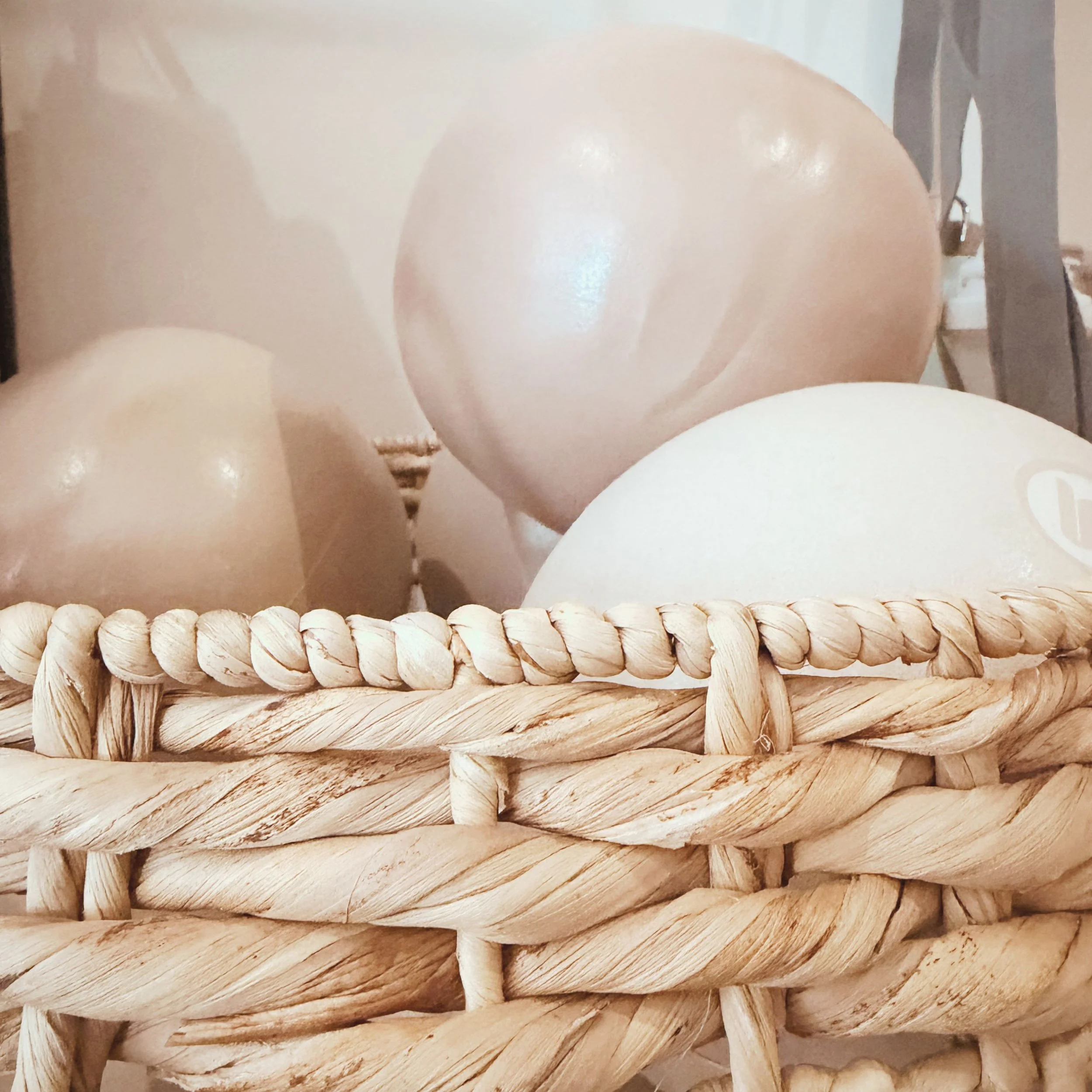
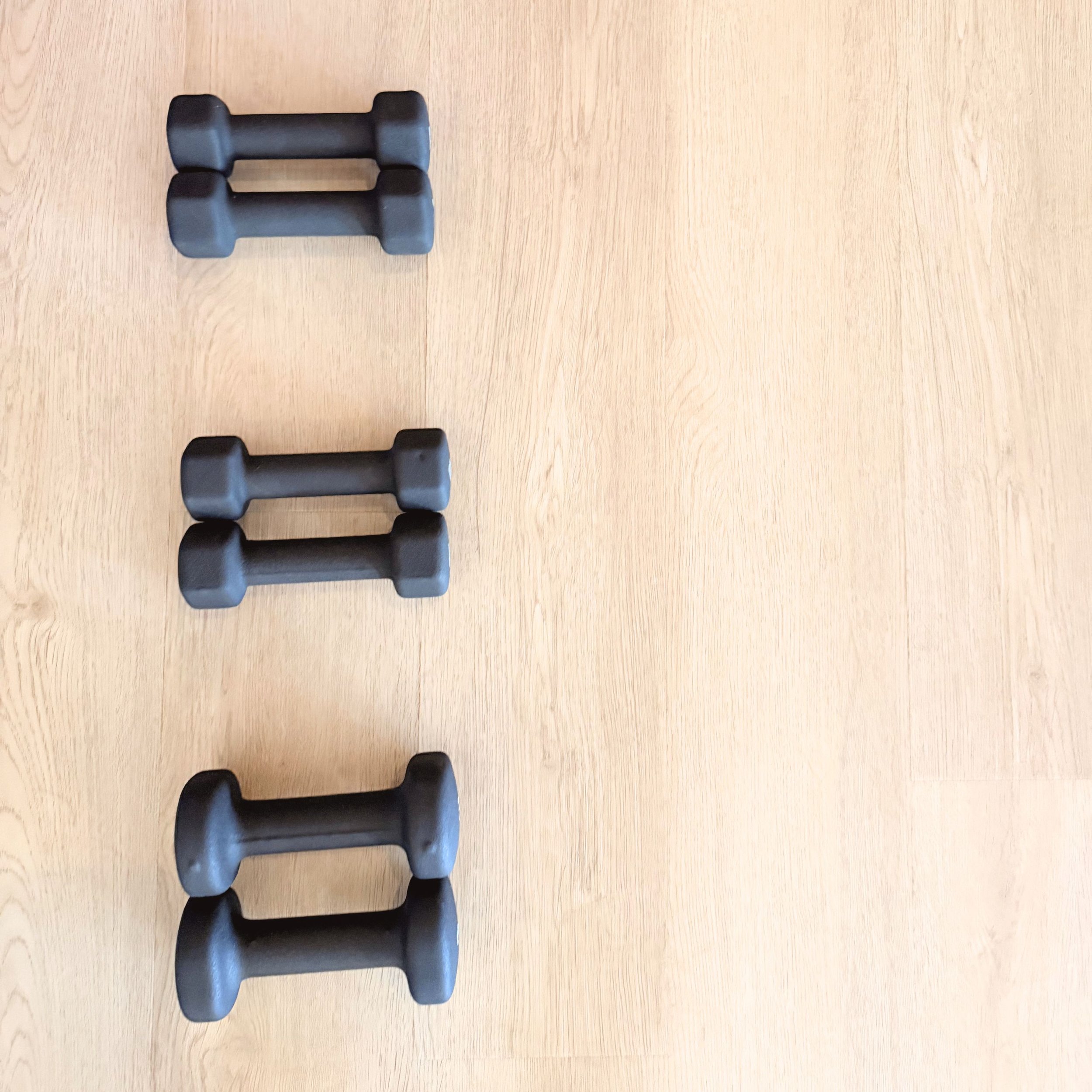
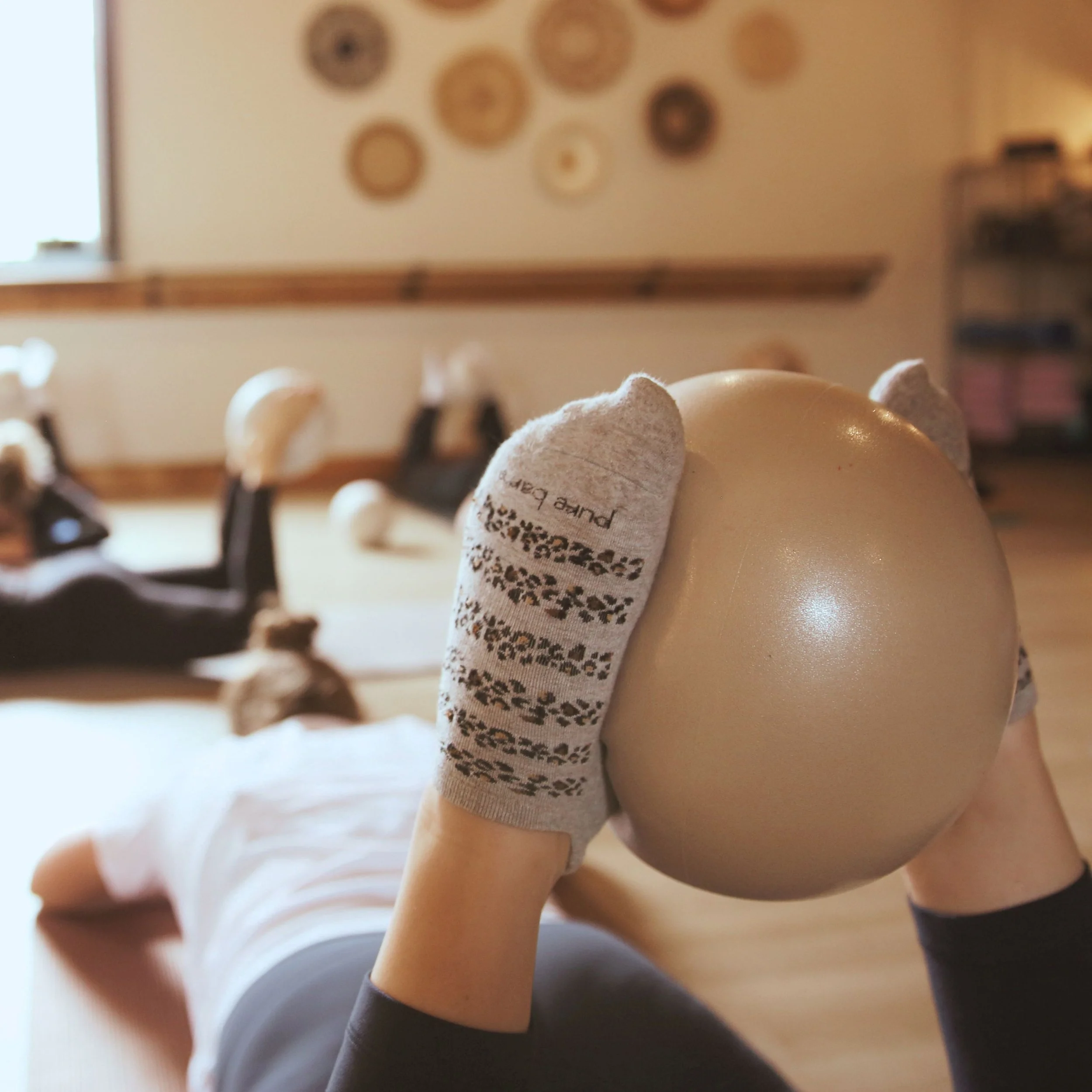
If Joseph Pilates published 34 mat exercises, why are we using resistance bands, Pilates balls, light hand weights and other props today?
Because we can respect the foundation without pretending movement stopped evolving in 1945.
At Ember, Joseph Pilates' teachings are the roots of our Pilates practice.
We come back to control.
We come back to breath.
We come back to alignment, precision, centering and whole-body movement.
We teach recognizable Pilates exercises and movement patterns because understanding the method matters to us.
But we're also teaching the bodies standing - or lying in - front of us today.
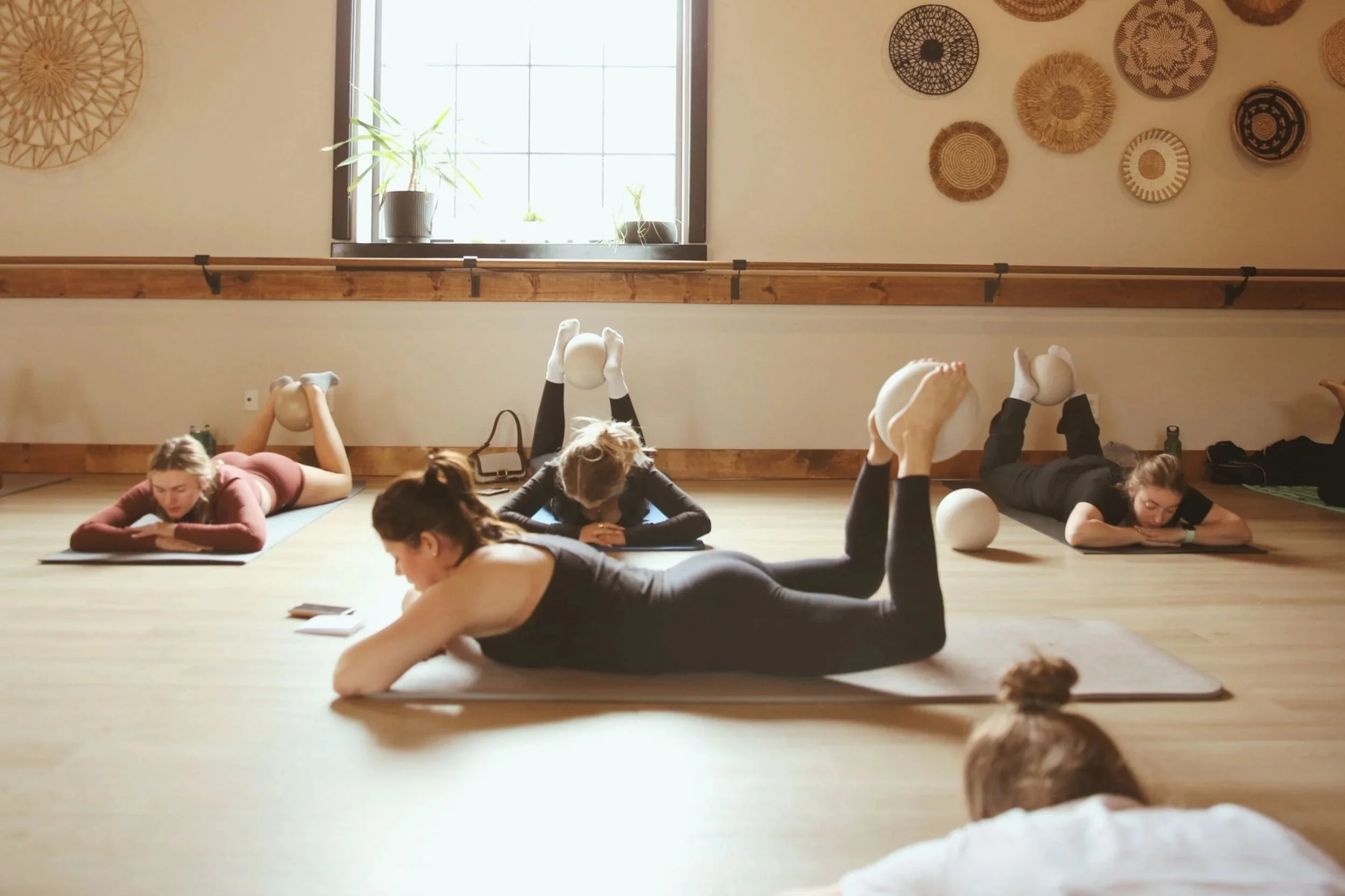
Sometimes a small ball can help someone better understand where their inner thighs or deep abdominals should be working.
A resistance band can provide feedback, assistance or additional challenges.
Light weights can introduce load and build strength while we maintain Pilates principles.
A variation may make an exercise more accessible to one person and more challenging to another.
The prop isn't what makes something Pilates - or not Pilates.
The question is whether we're still honoring the intention behind the movement.
Are we moving with control?
Are we connecting to our center?
Are we paying attention to alignment?
Are we breathing?
Are we choosing quality over simply accumulating repetitions?
Are we moving the whole body rather than chasing a burn in one muscle group?
If those foundations remain, there's room for creativity.
Classic Pilates Isn't About Being a Purist
There's tremendous value in preserving Joseph Pilates' original work. Without understanding the roots of a method, it's easy to drift so far from them that eventually the name is the only thing left.
But learning the history doesn't have to become a debate about which version of Pilates is the "right" one.
That's not particularly helpful to the person who simply wants to move better.
Instead, we think of classical Pilates as our compass.
It gives us something to return to.
When fitness trends change, the fundamentals remain.
Control still matters.
Breathing still matters.
Mobility still matters.
Strength still matters.
Connecting your limbs to a strong, stable center still matters.
And learning how your own body moves still matters.
There are hundreds of exercises throughout the larger Pilates system, along with equipment Joseph Pilates designed - including the Reformer, Cadillac, Chair and Barrel - to support and challenge the body in different ways.
But the equipment was never the entire point.
The method was.
More Than "A Workout on a Mat"
Maybe the simplest way to understand classic mat Pilates is this:
The mat is where you're practicing. Pilates is what you're practicing.
You're practicing control.
You're practicing concentration.
You're practicing coordination.
You're practicing strength alongside mobility.
You're practicing moving from your center while allowing the rest of your body to work as an integrated whole.
And you're practicing something you can return to for years.
That's why, when we teach Pilates to our Mankato community, we care about keeping a connection to the original method even as our classes incorporate contemporary movement, props and variations.
We aren't trying to recreate Joseph Pilates' New York studio exactly as it existed a century ago.
We're interested in carrying forward the part that still makes sense today: thoughtful movement, practiced consistently, with attention to the body in front of you.
Because movement doesn't always need to be newer, harder or more complicated to be effective.
Sometimes the most valuable thing you can do is learn the fundamentals - and keep coming back to them.
That's the beauty of a practice.
You don't have to conquer it.
You just have to keep showing up.
Whether you’re brand new to Pilates or have been practicing for years, you don’t need to know every exercise or master every movement. You simply need a place to begin - and a willingness to keep coming back.
Explore Pilates in Mankato at Ember and discover a practice rooted in the fundamentals, thoughtfully adapted for the way we move today.
Start where you are. Learn the method. Keep showing up.